What Is PDRN in Skincare? Benefits, How It Works, and Who It’s For
If you have been paying attention to skincare launches over the past couple of years, you have probably seen “PDRN” on ingredient lists, in Korean beauty posts, and now in products from global brands. But what is PDRN in skincare, exactly?
In short, PDRN is a DNA-derived active that supports the skin’s natural renewal processes. It is one of the fastest-rising ingredients in cosmetics, and it has moved from medical aesthetics into everyday products like serums, lotions, and masks. This guide explains what PDRN is, how it works, who it is for, and what to look for on a label.
What Is PDRN?
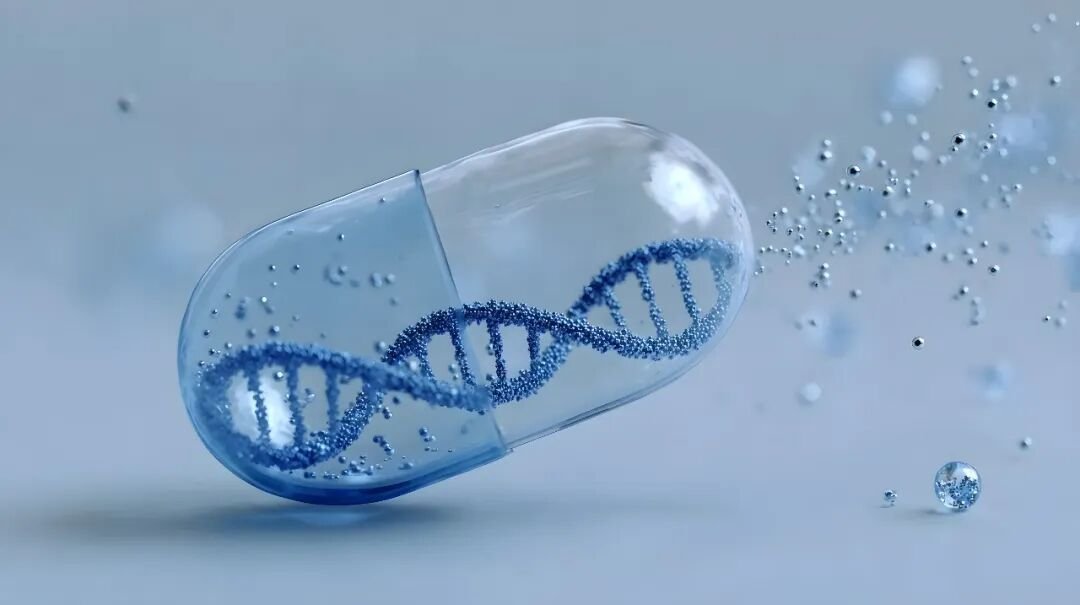
PDRN stands for polydeoxyribonucleotide. It is a molecule made up of DNA fragments, and in skincare it is used as an active ingredient to support the skin’s natural repair and regeneration processes.
PDRN first became famous in Korea, where it is often called “salmon skincare” because the original ingredient was derived from salmon DNA. Today, PDRN is also produced through fermentation and biotechnology, which opens the door to vegan-friendly and highly consistent versions. If you want to understand how these different versions are made, our manufacturing guide explains the three production routes in detail.
How Does PDRN Work on the Skin?
To understand why PDRN is different from most moisturizing ingredients, it helps to know what it does at the skin level. The process happens in three steps.
Step 1: It supplies the building blocks your skin needs
PDRN is made of DNA fragments. When applied to the skin, these fragments are taken up by skin cells and broken down into nucleotides – the same building blocks the body uses to build new DNA. Instead of manufacturing these building blocks from scratch, skin cells can use what PDRN provides, which supports normal cell renewal and turnover.
Step 2: It activates the skin’s own repair signaling
The nucleotides produced from PDRN include adenosine, which activates a receptor on skin cells called the A2A receptor. Once activated, this receptor sends signals that help:
- Support collagen and elastin production – by promoting the activity of fibroblasts, the cells responsible for collagen and elastin, helping to maintain firmer, smoother-looking skin
- Support healthy microcirculation – by supporting local blood flow, which helps deliver oxygen and nutrients to the skin
- Calm the look of redness – by supporting a balanced inflammatory response, which is why PDRN is often used in formulas for sensitive and reactive skin
Step 3: It supports renewal and a healthy barrier
With more building blocks and calmer, better-nourished skin, the natural processes of cell renewal and barrier support can work more efficiently. This is why PDRN is associated with a healthier, more resilient-feeling skin barrier and a smoother, more rested-looking complexion.
Think of PDRN as a helper that supports the skin’s own repair system – not an ingredient that tries to do the repair itself. It works gradually, which is why consistent daily use matters.
What Are the Benefits of PDRN Skincare?
In finished products, PDRN is typically promoted for:
- Barrier support – calmer, more resilient-feeling skin
- Sensitive and reactive skin – a go-to for soothing formulas
- Post-procedure recovery – often used in aftercare routines for laser and peel treatments (always follow your practitioner’s advice)
- Anti-aging support – smoother texture and a more plump, rested look
- Everyday hydration – it layers well with moisturizing ingredients
Because PDRN works on the skin’s renewal processes rather than just sitting on the surface, it fits naturally into both daily care and targeted treatment routines.
Who Is PDRN Good For?
PDRN suits a wide range of skin types, which is part of why it has become so popular:
- Sensitive or reactive skin looking for gentle, soothing care
- Aging skin interested in supporting firmness and texture
- Post-treatment skin needing calm, supportive aftercare
- Dry or dehydrated skin that wants extra barrier support
If you are developing a product for any of these groups, PDRN gives you a story that is both science-backed and consumer-friendly.
How Does PDRN Compare to Other Ingredients?
PDRN is often grouped with peptides, collagen, and hyaluronic acid, but it plays a different role:
- Collagen and peptides are structural or signaling ingredients; PDRN supports the environment where they do their work.
- Hyaluronic acid is a humectant that draws in water; PDRN works on renewal processes deeper in the skin.
- In practice, PDRN combines well with these ingredients, which is why you often see it in formulations alongside peptides and hyaluronic acid.
Is PDRN Safe?
PDRN has a long history of use in cosmetics and is generally well tolerated. A few things to know:
- Patch testing is recommended for any new active, especially if you have sensitive skin.
- PDRN is used as a cosmetic active; it is not a medical treatment. Keep expectations realistic and claims compliant.
- If you are pregnant or have a medical condition, check with your healthcare provider before adding new actives to your routine.
What to Look for on a PDRN Label
If you are buying or developing a PDRN product, look for:
- PDRN (polydeoxyribonucleotide) listed in the ingredient list
- The source, if the brand discloses it: salmon-derived, fermented, or recombinant – each has different positioning
- A complete formula story: how the PDRN is protected in the formula and what it is combined with
For a deeper look at how PDRN is produced and what the different sources mean for your brand, read our manufacturing guide.
Frequently Asked Questions
Is PDRN the same as DNA?
PDRN is made of DNA fragments, but it is a specific cosmetic ingredient with a defined molecular profile, not generic DNA.
Is PDRN the same as “salmon skincare”?
The original PDRN was derived from salmon DNA, which is why it became known as “salmon skincare.” Today, PDRN is also produced through fermentation and biotechnology.
Can PDRN be used every day?
Yes, PDRN is typically designed for daily use in leave-on products such as serums and lotions.
How long until PDRN shows results?
Like most skincare actives, PDRN works gradually. Most brands suggest consistent use over several weeks; results vary by person and formula.
Can PDRN be combined with retinol or other strong actives?
PDRN is generally compatible with other actives, but combining it with strong ingredients should be done carefully. When developing a product, ask the lab to run compatibility tests.
Do I need a prescription for PDRN skincare?
No. PDRN in cosmetics is an over-the-counter skincare ingredient, not a prescription treatment. Keep product claims cosmetic and realistic.
Is PDRN Right for Your Skincare Brand?
If you are researching PDRN because you are thinking about launching a product, you are ahead of the curve. PDRN is still in its growth phase, which means brands that enter now can build a story before the market gets crowded.
These guides can help you take the next step:
- PDRN Lotion Private Label: The Complete Guide for Skincare Brands – the full launch checklist, from sampling to packaging
- How Is PDRN Skincare Made? – the three production routes and what they mean for your brand
- How to Start a Private Label Skincare Business – the step-by-step guide to launching your brand
Ready to Build a PDRN Product?
MoCelie is a skincare manufacturer in Guangzhou, China, specializing in OEM/ODM private label production for brands across the globe. We formulate with high-demand actives.
If you have a PDRN concept in mind, contact us – we can help you choose the right source, formula, and packaging for your market.