PDRN for Sensitive Skin: A Gentle Support Active for Calmer-Looking, More Comfortable Skin
Sensitive skin is one of the fastest-growing concerns in skincare, yet it is also the hardest to serve. The customers who need help the most are often the ones who react to the products meant to help them: redness, tightness, stinging, and flare-ups after trying yet another active. The solution is rarely a stronger ingredient. It is a more careful one — and that is exactly the role PDRN has been playing in professional aftercare for years.
Why Sensitive Skin Needs Support, Not More Stimulation
Sensitive and reactive skin is usually described around two things: a compromised barrier and a low tolerance for stimulation. When the barrier is not functioning comfortably, the skin feels dry and tight, reacts easily to temperature changes and new products, and shows redness more readily. In this state, resurfacing actives, high alcohol, fragrance, and even water temperature can trigger discomfort.
The instinct of many brands is to respond with “barrier creams” — rich, occlusive formulas that trap moisture. These help, but they do not address renewal. Skin with a compromised barrier needs both protection and comfortable renewal: enough hydration, enough soothing, and gentle support for the skin’s own repair cycle. PDRN is one of the few ingredients that speaks directly to that second need.
How PDRN Supports Sensitive Skin
PDRN (polydeoxyribonucleotide) is a DNA-derived active composed of nucleotide fragments. Its reputation in skincare comes from professional aftercare, where it is used to help skin recover comfortably after procedures such as microneedling and peels. For sensitive-skin products, the relevant actions are:
- Supports barrier comfort. PDRN supplies nucleotides — building blocks skin cells use during renewal — and supports the environment where the skin maintains a healthy, comfortable barrier.
- Calms the look of redness. PDRN has a long association with soothing and supporting a balanced response in easily irritated skin.
- Gentle, even on reactive skin. Unlike exfoliating or resurfacing actives, PDRN does not work by irritation, which makes it viable for customers who cannot tolerate strong ingredients at all.
- Pairs with a minimal formula. PDRN fits naturally into short, fragrance-free, low-ingredient formulas — the format sensitive skin actually tolerates best.
As always with compliance: PDRN is a cosmetic support ingredient. It does not “cure” sensitivity or “repair” the barrier in a medical sense. It supports comfort and calm, and it works best inside a carefully built routine. For ingredient basics, see what PDRN is in skincare.
PDRN vs Common Soothing Actives
| Active | Main role | Texture and feel | How it pairs with PDRN |
|---|---|---|---|
| Centella asiatica | Soothing, traditionally used for comfort | Lightweight to creamy | Classic companion; both support calm |
| Panthenol (pro-vitamin B5) | Supports comfort and moisture | Light to rich | Reinforces the comfort story |
| Niacinamide | Supports barrier function and tone | Generally gentle, can tingle at high levels | Pairs well at moderate levels |
| Ceramides | Support the lipid barrier | Rich, occlusive textures | Different layer: lipids protect, PDRN supports renewal |
| Allantoin | Softens and soothes | Light, inert | Easy, safe addition |
| PDRN | Supports renewal, barrier comfort, and calm | Lightweight, serum-friendly | Best used as the “renewal support” layer under barrier lipids |
Where PDRN Fits in a Sensitive-Skin Routine
A sensitive-skin routine should stay short and predictable. A framework a brand can confidently recommend:
| Step | Product type | Why |
|---|---|---|
| 1 | Gentle, fragrance-free cleanser | Cleanse without stripping |
| 2 | PDRN serum or essence | Support layer: renewal and comfort |
| 3 | Moisturizer with ceramides or panthenol | Seal in moisture and support the barrier |
| 4 | Mineral SPF (morning) | Protect the skin from daily triggers |
PDRN is especially useful on “reset” days — when the skin is reacting, or after trying a new product — because it offers comfort without adding more stimulation. This is the same logic behind its use in post-procedure routines.
Best Formats for Sensitive Skin
- Short-ingredient serum or essence. Water, PDRN, a humectant, and one or two soothing actives — nothing else.
- Sheet mask. A weekly or on-demand calming ritual; single-use formats avoid contamination and overuse.
- Ampoule or concentrate. For customers who want a targeted comfort step during flare-ups.
- Cream or lotion base with PDRN. When the brand wants PDRN inside the moisturizing step rather than a separate serum.
Formulation Tips for Brands
- Keep the formula short. Sensitive skin reacts to cumulative exposure. Five well-chosen ingredients beat fifteen.
- Skip fragrance, alcohol, and essential oils. These are the most common triggers in sensitive-skin formulas.
- Choose gentle preservatives and verify pH. PDRN is generally mild, but the total system must be non-stinging; run in-vitro and human patch testing.
- Compliant, honest claims. Use “supports barrier comfort,” “calms the look of redness,” “helps skin feel comfortable,” and “suitable for sensitive skin.” Avoid “treats sensitivity,” “cures redness,” or medical wording.
Why “Comfort” Is a Winning Position
The sensitive-skin category is crowded with “intensive repair” creams that promise more than they can deliver. Meanwhile, real sensitive-skin customers have learned to be skeptical: they read ingredient lists, they patch-test, and they abandon products that sting. A brand that speaks honestly — “this supports comfort; give it time; keep the rest of the routine simple” — builds the trust this audience craves. PDRN gives you a credible, science-led reason to make that promise, and it layers with the barrier creams customers already use.
For brands already planning acne or post-procedure lines, PDRN is the rare active that works across both: our PDRN for acne-prone skin guide explains the same ingredient from the blemish side.
Frequently Asked Questions
Is PDRN good for sensitive skin?
Yes. PDRN is used in sensitive-skin and post-procedure formulas because it is gentle, lightweight, and formulated around comfort and barrier support rather than irritation-driven results.
Can PDRN irritate sensitive skin?
PDRN itself is considered very gentle. Irritation in sensitive-skin products usually comes from the formula around the active — fragrance, alcohol, preservatives, or over-high active levels. A short, fragrance-free formula is the safest approach.
Does PDRN repair the skin barrier?
PDRN is a support active: it supplies nucleotides used in skin renewal and is formulated to support barrier comfort. For lipid-barrier protection, pair it with ceramides and moisturizers. Keep cosmetic claims in support language rather than medical “repair” language.
Can PDRN be combined with centella asiatica and panthenol?
Yes — this is a classic soothing combination. Centella and panthenol address immediate comfort, while PDRN supports renewal. All three are gentle enough for reactive skin.
Is PDRN suitable for skin that reacts to everything?
No ingredient can promise zero reaction, and patch testing is always advised. But PDRN’s profile — no irritation mechanism, lightweight texture, minimal formula compatibility — makes it one of the more forgiving actives available for reactive skin.
Is PDRN safe during pregnancy?
Cosmetic PDRN products do not contain active biological material, but regulatory guidance varies by country. Ask the customer’s healthcare professional before introducing any new product during pregnancy.
Ready to Launch a PDRN Product for Sensitive Skin?
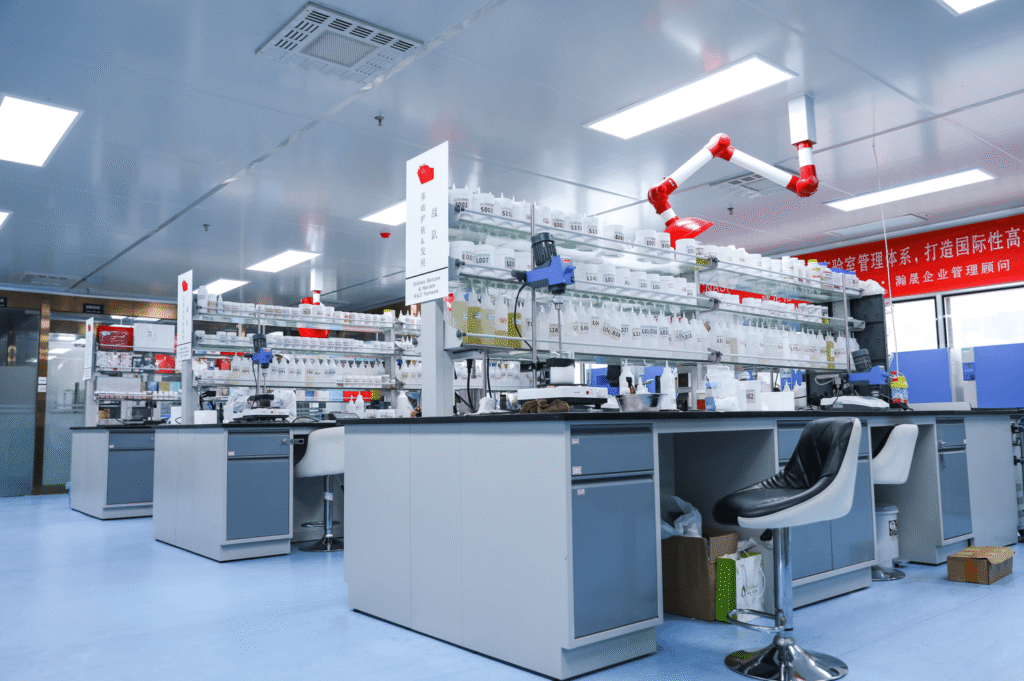
MoCelie is a leading skincare manufacturer in sensitive-skin repair, acne-prone skin recovery, and anti-aging care in China. Our 15-person in-house R&D team develops new formulas together with Peking University, Guangdong Pharmaceutical University, and Southern Medical University, as well as the Chinese Academy of Sciences’ Zhuhai Institute. We operate from an 11,000 m² facility with over 200 staff under GMPC and ISO 22716 certification — and our lab specializes in gentle, sensitive-skin-friendly formulas, ready to launch your fragrance-free PDRN product from sample to full production. Contact us to request a sample and a detailed quote.
Related guides: What Is PDRN in Skincare? · How Is PDRN Skincare Made? · PDRN for Acne-Prone Skin · PDRN vs Collagen vs Snail Mucin · PDRN Serum Private Label Guide